

Building Stronger, Healthier Relationships Together
Couples counseling provides a supportive space to improve communication, work through recurring conflict, rebuild trust, and navigate life’s changes while developing healthier ways to connect and strengthen your relationship.
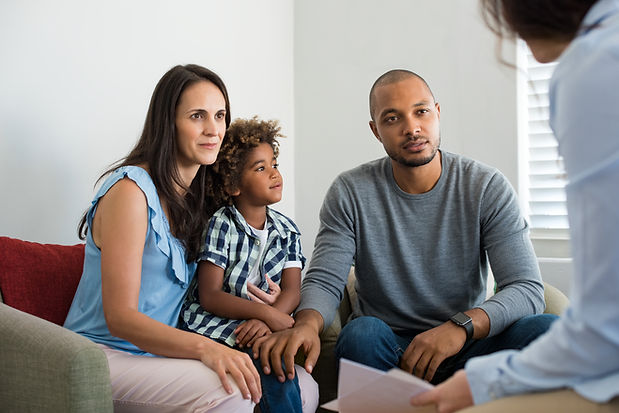
Couples Counseling in Ogden, Logan & Pleasant Grove
Every relationship experiences disagreement and stress.
The problem is usually not whether a couple disagrees, but whether repeated patterns of conflict begin damaging communication, trust, connection or emotional safety.
Some couples argue constantly. Others rarely argue but have become emotionally distant. One partner may feel ignored while the other feels criticized. Parenting, finances, work stress or major life changes can increase tension.
Quality Youth Services provides couples counseling in Ogden, Logan and Pleasant Grove for partners experiencing communication difficulties, conflict, trust concerns and relationship stress. Our Harrisville office is located just minutes from Ogden, with additional QYS locations in Logan and Pleasant Grove.
Couples counseling provides a structured setting where partners can better understand recurring patterns and work toward healthier communication and relationships.
What Is Couples Counseling?
Couples counseling is therapy focused primarily on the relationship between partners.
The goal is not simply to decide who is right or wrong.
Instead, therapy may explore:
-
Communication
-
Repeated arguments
-
Emotional connection
-
Trust
-
Boundaries
-
Expectations
-
Conflict patterns
-
Parenting
-
Stress
-
Major life changes
The specific goals depend on the couple.


When Might Couples Counseling Help?
Couples may consider counseling when they experience:
-
Frequent arguments
-
Poor communication
-
Emotional distance
-
Lack of trust
-
Repeated misunderstandings
-
Parenting disagreements
-
Resentment
-
Difficulty resolving conflict
-
Stress affecting the relationship
-
Major life transitions
Couples do not need to wait until the relationship is close to ending before seeking help.
Couples Counseling for Communication Problems
Many relationship problems involve communication.
One partner may feel:
-
Unheard
-
Criticized
-
Ignored
-
Misunderstood
The other may feel:
-
Attacked
-
Defensive
-
Overwhelmed
-
Unable to do anything right
These patterns can repeat until both partners become frustrated.
Counseling may help couples slow these interactions down and develop more productive communication.
Couples Counseling for Frequent Arguments
Some couples repeatedly argue about the same issues.
Common topics include:
-
Money
-
Parenting
-
Household responsibilities
-
Work
-
Family
-
Friends
-
Technology
-
Intimacy
-
Time together
The subject may change, but the pattern often remains the same.
Therapy may help couples understand what happens during conflict and identify healthier ways to respond.


Couples Counseling for Trust Problems
Trust can be affected by:
-
Broken promises
-
Dishonesty
-
Secrecy
-
Relationship boundary violations
-
Repeated disappointments
-
Past experiences
Rebuilding trust usually takes more than simply promising that something will not happen again.
Couples counseling may help partners discuss what damaged trust and what changes may be necessary to rebuild it.

Couples Counseling for Emotional Distance
Some couples do not fight frequently but feel increasingly disconnected.
They may describe the relationship as feeling more like:
-
Roommates
-
Co-parents
-
Business partners
Partners may stop:
-
Sharing feelings
-
Spending meaningful time together
-
Asking about one another’s lives
-
Showing affection
-
Resolving disagreements
Therapy may help couples understand how emotional distance developed and explore ways to reconnect.
Couples Counseling for Parenting Disagreements
Raising children can place significant stress on a relationship.
Partners may disagree about:
-
Discipline
-
Rules
-
Bedtimes
-
School
-
Technology
-
Consequences
-
Teen independence
-
Household responsibilities
One parent may feel the other is too strict.
The other may feel their partner is too permissive.
Repeated parenting disagreements can create conflict between the couple and confusion for children.
Couples Counseling or Family Therapy may help depending on whether the primary concern is between the partners or involves the broader family.
Couples Counseling and Family Conflict
Relationship difficulties often affect more than two people.
Repeated arguments between partners can contribute to Family Conflict and affect children or teenagers in the household.
When the primary concern is the couple’s relationship, Couples Counseling may be the best starting point.
When several family members are involved in the conflict, Family Therapy may be more appropriate.

Couples Counseling for Anxiety and Depression
Mental health concerns can affect relationships.
Someone experiencing Anxiety may:
-
Seek repeated reassurance
-
Avoid activities
-
Worry excessively
-
Become irritable
Someone experiencing Depression may:
-
Withdraw
-
Lose interest
-
Become less communicative
-
Have less energy
-
Become more irritable
Partners sometimes interpret these changes personally.
Couples counseling may improve understanding, while Adult Therapy may also be helpful for the individual experiencing mental health symptoms.
Couples Counseling and Trauma
Trauma & PTSD can affect relationships through:
-
Difficulty trusting
-
Emotional withdrawal
-
Irritability
-
Hypervigilance
-
Avoidance
-
Difficulty feeling safe
Partners may not understand why certain situations create strong emotional reactions.
Counseling may help couples understand how trauma is affecting their relationship while maintaining appropriate boundaries around individual trauma treatment.
Couples Counseling for Anger and Conflict
Repeated anger can make productive communication difficult.
Arguments may escalate because partners:
-
Raise their voices
-
Interrupt
-
Become defensive
-
Withdraw
-
Say hurtful things
-
Bring up past conflicts
Therapy may help identify triggers and develop healthier responses.
When one partner has significant difficulty controlling anger, individual Anger Management counseling may also be appropriate.

Couples Counseling During Grief & Loss
Grief can affect partners differently.
One person may want to talk about the loss.
The other may prefer silence.
One may return to routines quickly while the other struggles for months.
These differences can create misunderstandings.
Grief & Loss Counseling or Couples Counseling may help partners support one another while recognizing that grief does not look the same for everyone.

Couples Counseling During Major Life Changes
Relationships often experience additional stress during transitions such as:
-
Marriage
-
Having a child
-
Career changes
-
Moving
-
Job loss
-
Children leaving home
-
Retirement
-
Illness
-
Caregiving
-
Loss
Therapy can help couples communicate about expectations and adjust to changing roles.
Does Couples Counseling Mean the Relationship Is Failing?
No.
Some couples seek counseling because they are experiencing serious difficulties.
Others use counseling to address smaller problems before they become larger ones.
Seeking support can be a way of taking the relationship seriously rather than giving up on it.
Couples Counseling vs. Individual Therapy
Adult Therapy focuses primarily on one person’s mental health and emotional needs.
Couples Counseling focuses primarily on the relationship between partners.
For example:
If anxiety or depression is the main concern, individual Adult Therapy may be more appropriate.
If repeated communication and relationship conflict is the main concern, Couples Counseling may be the better starting point.
Sometimes both may be useful.

Couples Counseling in Ogden — Harrisville Location
Quality Youth Services serves couples throughout the greater Ogden area through our Harrisville office, located just minutes from Ogden.
People searching for:
-
Couples counseling in Ogden
-
Marriage counseling in Ogden
-
Relationship counseling near Ogden
-
A couples therapist near Ogden
can contact our Harrisville location for current therapist and appointment availability.
Couples Counseling in Logan
Our Logan location provides couples and relationship counseling for people throughout Logan and surrounding Cache Valley communities.
Counseling may address:
-
Communication
-
Conflict
-
Trust
-
Parenting disagreements
-
Emotional distance
-
Relationship stress
Contact QYS for current provider availability.
Couples Counseling in Pleasant Grove
Our Pleasant Grove location provides couples counseling for people throughout Pleasant Grove and surrounding Utah County communities.
Contact Quality Youth Services for current therapist and appointment availability.
Take the Next Step
Relationship problems can become harder to resolve when couples repeat the same communication and conflict patterns for months or years.
Counseling can provide a structured setting to understand those patterns and work toward healthier ways of communicating.
Looking for couples counseling in Ogden, Logan or Pleasant Grove? Contact Quality Youth Services to request an appointment today.
Couples Counceling FAQs
What is couples counseling?
Couples counseling is therapy focused on communication, conflict, trust, emotional connection and other concerns affecting the relationship between partners.
Is couples counseling the same as marriage counseling?
The terms are often used similarly. Couples counseling can support married and unmarried partners dealing with relationship difficulties.
What problems can couples counseling help with?
Couples counseling may help with communication problems, frequent arguments, emotional distance, trust concerns, parenting disagreements and relationship stress.
Do we have to be married to receive couples counseling?
No. Couples counseling may be appropriate for partners regardless of marital status.
Can counseling help if we argue all the time?
Yes. Therapy may help identify repeated conflict patterns and develop healthier communication strategies.
Can couples counseling help rebuild trust?
It may. Counseling can help partners understand what damaged trust and what changes may be needed to rebuild it.
Can couples counseling help with parenting disagreements?
Yes. Couples may work on communication and consistency around parenting concerns.
Is couples counseling different from family therapy?
Yes. Couples Counseling primarily focuses on the relationship between partners, while Family Therapy may involve parents, children, teenagers and other family members.
Can one person attend if the other partner will not?
Individual Adult Therapy may still help someone work on their own responses, boundaries and relationship concerns, although it is different from Couples Counseling.
Can anxiety or depression affect a relationship?
Yes. Anxiety and depression can affect communication, connection, energy and relationship patterns.
Can couples counseling help after trauma?
It may help partners understand how trauma is affecting their relationship. Individual trauma therapy may also be appropriate.
Is couples counseling appropriate when there is abuse?
Routine couples counseling may not be appropriate when violence, abuse, coercive control or immediate safety concerns are present. Safety should come first.
Can couples counseling be done by telehealth?
Some couples may be appropriate for Telehealth Therapy depending on clinical circumstances, provider requirements and insurance.
Where can I find couples counseling near Ogden?
Quality Youth Services serves the greater Ogden area through its Harrisville office, located just minutes from Ogden.
Does QYS provide couples counseling in Logan?
Yes. QYS has a Logan location serving Logan and surrounding Cache Valley communities.
Does QYS provide couples counseling in Pleasant Grove?
Yes. QYS has a Pleasant Grove location serving Pleasant Grove and surrounding Utah County communities.
Does insurance cover couples counseling?
Coverage varies by insurance plan, provider, diagnosis and service. Contact Quality Youth Services or your insurance provider to verify current coverage before scheduling.